THE FALL OF A FEARED MAN: MAKENDENGE’S PAINFUL KARMA
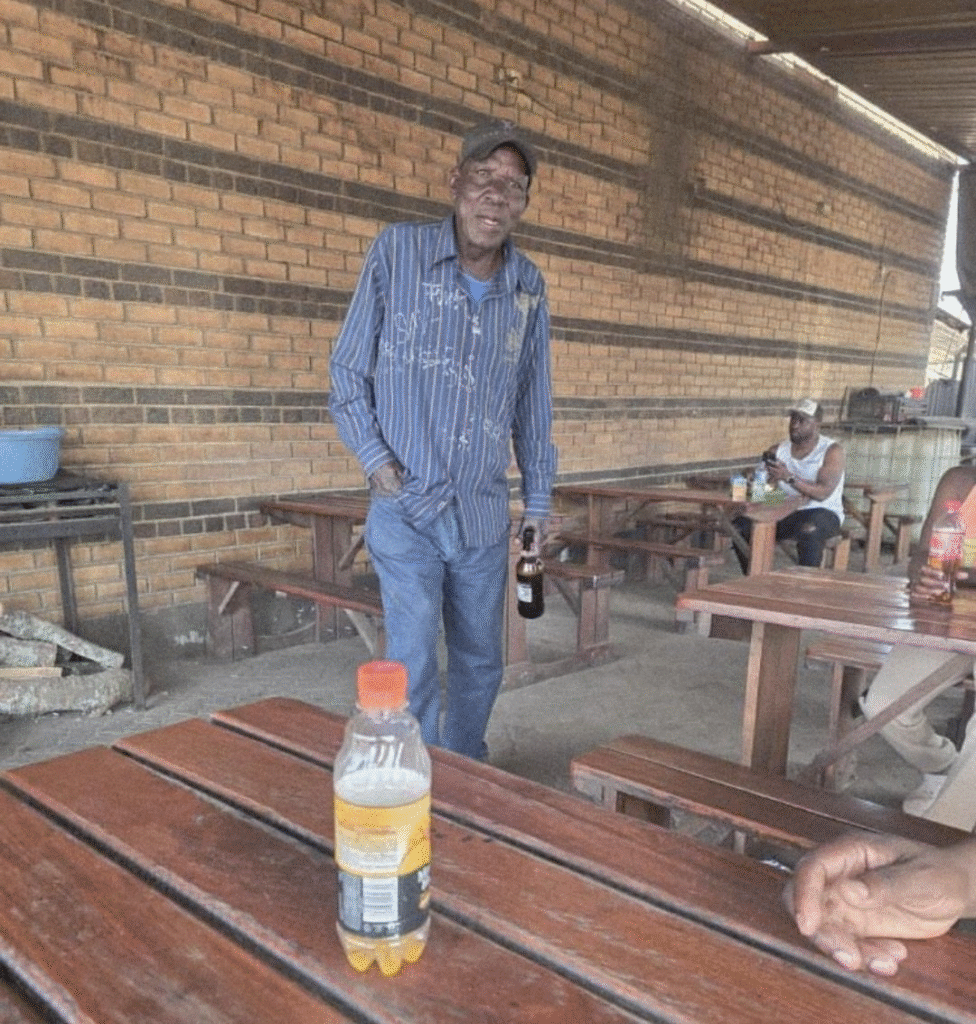
Crispen Makendenge was once one of the most feared men in Zimbabwe. As the head of the CID Law and Order Division during Robert Mugabe’s rule, he carried power that could silence voices, destroy lives, and protect a brutal regime. He was known for arresting journalists, torturing activists, and crushing any form of resistance. But today, he is no longer the powerful enforcer he used to be. He is a broken man, fading into the background of a country that remembers everything he did.
A recent photo of Makendenge, shared by Crime Watch Zim, has sparked national conversations. In the picture, he appears tired, frail, and unwell. The image went viral on social media, leading many to reflect on the concept of ngozi—a Shona word that means revenge or spiritual payback for past wrongs. For many, the photo was not just of a man; it was a picture of karma finally catching up with someone who caused so much pain.
Job Sikhala, one of Zimbabwe’s most vocal opposition leaders, has openly spoken about how Makendenge tortured him. He described being electrocuted during his time in custody. Despite this, Sikhala has taken a surprising position. Instead of seeking revenge, he has chosen to show Makendenge love and forgiveness. He believes in peace, even towards those who showed him cruelty. It’s a powerful message that challenges us all to think about how justice should look.
Makendenge’s cruelty wasn’t just limited to politicians. Journalists were also among his targets. Some of the people he arrested and harassed now work for The NewsHawks. They remember how he tried to silence their reporting. He used threats and jail cells to stop them from telling the truth. Today, they are still standing—still writing—while he has become a sad and forgotten figure.
It is being reported that Makendenge is now battling mental health issues. Once a man who gave orders and inspired fear, he is now struggling with his own mind. He is no longer a threat. Instead, he has become an example of how power can crumble. Many Zimbabweans online see this as a form of justice. They say it is only right that someone who caused so much pain should feel pain too.
His story is a warning. It shows that power is not permanent. You can have a gun, a badge, or a desk at the police headquarters, but none of it lasts forever. When you use your power to oppress people, the day will come when you are powerless. And when that day comes, the same people you hurt will be there to witness your fall.
Some people say we should not laugh at his suffering. Others feel no pity at all. But what most people agree on is that the past must not be forgotten. Makendenge is not just one bad man. He is a symbol of a cruel system that is still alive in Zimbabwe. A system that protects the powerful and punishes the innocent.
True justice in Zimbabwe still feels far away. Many of those who abused power during Mugabe’s rule are still free. They live without guilt, without punishment. But Makendenge’s downfall is a sign that no one escapes forever. Even if the courts are silent, life itself remembers.
That one viral photo is more than an image—it is a message. It tells every policeman, every minister, every soldier who abuses power today that their time will come too. Zimbabweans are watching. Zimbabweans are remembering. And someday, real justice will find its way—because the people will not forget.


